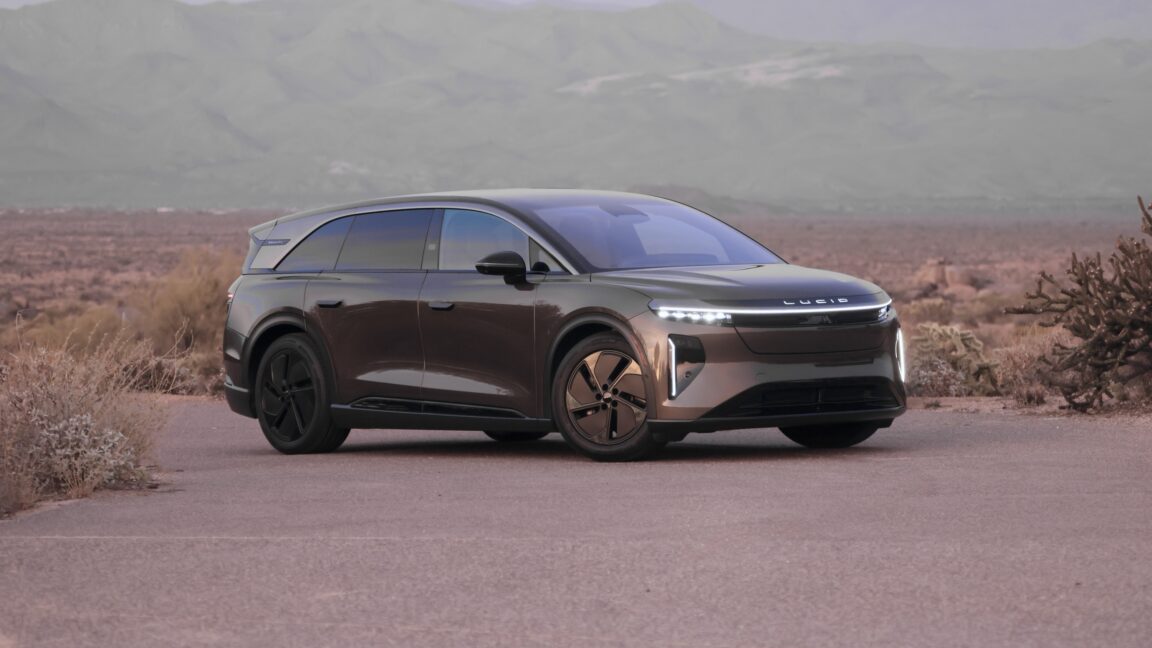
There is a specific kind of anxiety that comes with a 'sophomore' release in the tech world. We saw it with the early smartphone manufacturers and we certainly see it with EV startups. The first product is often an idealistic, high-cost proof of concept; the second is where the wheels usually fall off as the company tries to scale. However, reading the latest dispatches on the 2026 Lucid Gravity Touring, it seems Peter Rawlinson and his team have avoided the dreaded second-album slump. Ars Technica calls it a 'strong act two,' and frankly, that might be an understatement.
For those of us who have spent time in the Lucid Air, we knew the engineering was there. The efficiency was unparalleled, and the miniaturization of the powertrain felt like witchcraft. But a sedan is a niche luxury. The Gravity is the play for the heart of the American driveway. What strikes me most about the early feedback on the Touring trim is that Lucid didn't just bloat the Air into a crossover shape. They maintained the focus on aerodynamics and spatial efficiency that makes their platform unique. In a market saturated with heavy, brick-like electric SUVs that rely on massive, inefficient batteries to brute-force their way to a decent range, the Gravity feels like a surgical instrument.
I’ve always been skeptical of the 'luxury three-row' category because it usually implies a compromise: you either get a cramped back seat or a vehicle that handles like a Victorian estate house. The Gravity seems to dodge both bullets. By utilizing that compact motor tech, they’ve carved out an interior that actually fits adults without making the footprint of the car feel like a transit bus. It is a reminder that good design isn't about how much you can add, but how much you can intelligently remove.
Of course, the Touring trim is the one to watch. While the Sapphire-level performance figures get the headlines, the Touring represents the reality for most buyers—a balance of range, price, and daily utility. It’s the version that will determine if Lucid becomes a mainstay or a footnote. If the driving dynamics truly hold up to the 'Air' standard, we are looking at a vehicle that doesn't just compete with the Tesla Model X or the Rivian R1S, but arguably renders the legacy German luxury SUVs a bit obsolete. It is refreshing to see a company double down on engineering excellence rather than just flashy software gimmicks. This isn't just a car; it's a statement that the EV transition can actually be elegant.