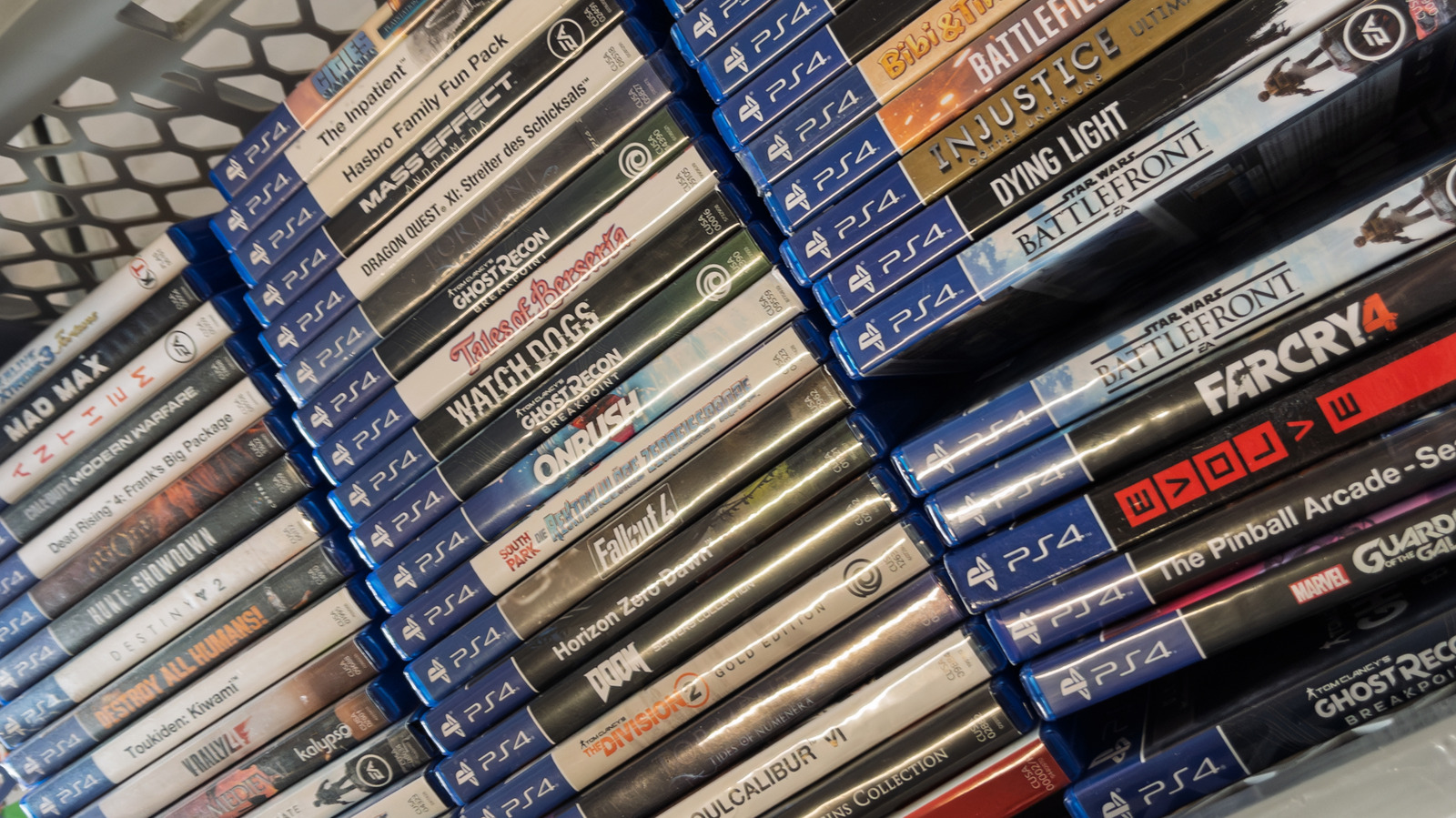
There is a specific, tactile satisfaction in sliding a disc out of a jewel case that my digital library will never replicate. However, Sony’s recent $34 million investment to repurpose its primary European disc manufacturing facility in Austria suggests that the corporate giants have finally stopped waiting for the physical era to revive. According to reports from Engadget, the factory that once churned out millions of PlayStation discs is being retooled to produce medical diagnostic kits. It is a pragmatic, perhaps even noble, pivot, but for those of us who grew up with shelves full of plastic cases, it feels like the definitive end of an era.
I have spent the better part of a decade defending my preference for physical media. I liked the security of owning a license that couldn’t be revoked by a server shutdown or a licensing dispute. But the math has been against me for a while. With the PlayStation 5 Pro launching without a built-in disc drive, the writing wasn't just on the wall; it was being broadcast in 4K. Sony’s decision to spend tens of millions of dollars to transform their infrastructure proves they are no longer betting on the disc. They are betting on the cloud, the download, and the subscription model.
What is particularly striking about this news is the choice of the new industry. Moving from gaming to medical technology is a pivot that highlights just how sophisticated disc-pressing technology actually was. The precision required to etch data onto a piece of polycarbonate is, apparently, not far off from what is needed for high-tech medical diagnostics. It is a clever way to save jobs and keep a facility running, but it also signals that the disc has been relegated to the status of a legacy format, joining the ranks of the cassette tape and the floppy disk.
I find myself wondering what happens to the preservation of gaming history when the factories stop humming. When we lose the ability to manufacture the physical medium, we become entirely beholden to the whims of digital storefronts. Sony is making a sound financial decision here—$34 million is a drop in the bucket compared to the efficiency of digital distribution—but as a consumer, I feel a slight sense of loss. We are trading the permanence of the shelf for the convenience of the cursor, and while I’ll likely keep buying digital games for the ease of it, I’ll miss the hum of a disc drive spinning up a new world.