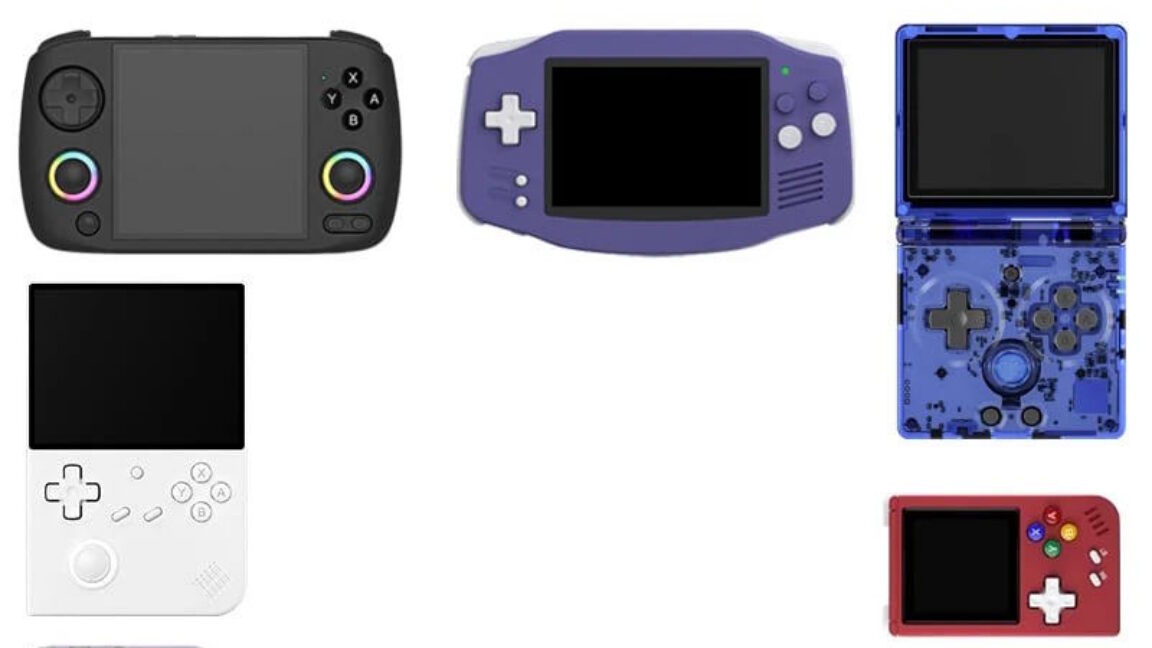
I have spent the better part of my adult life chasing the tactile ghost of the Game Boy Color, and lately, that ghost has lived inside a translucent purple Anbernic handheld. So, when I read the recent Ars Technica report that the Entertainment Software Association is targeting these emulation devices as 'superfake' piracy enablers, I felt a familiar pang of frustration. The ESA, the trade group representing the heavy hitters of the gaming industry, is now lobbying the U.S. government to include these devices in the annual Review of Notorious Markets for Counterfeiting and Piracy. It is a move that feels both legally aggressive and culturally tone-deaf.
Labeling an Anbernic device a 'superfake' is a fascinating bit of linguistic gymnastics. Unlike a counterfeit handbag or a forged watch, an Anbernic RG35XX doesn't pretend to be a Nintendo product. It is a piece of hardware designed to run open-source software. The ESA's argument rests on the fact that these devices often ship with SD cards pre-loaded with thousands of copyrighted ROMs. On that specific point, they have a legal leg to stand on. Shipping a device with a library of stolen games is, by definition, infringement. However, the ESA isn't just targeting the sellers of these SD cards; they are targeting the hardware itself, characterizing the very existence of high-quality emulation handhelds as a threat to the industry.
What the ESA consistently fails to acknowledge is the 'market failure' of video game preservation. If I want to play a niche RPG from 1996, my options are often to pay four hundred dollars to a reseller on eBay or to use an emulator. The industry has done a miserable job of making their back catalogs accessible and affordable. We are told that these 'superfakes' harm the market, yet the market for these vintage titles is largely non-existent outside of subscription services that can be revoked at any time.
I don't advocate for piracy, but I do advocate for the right to own the things we buy. The rise of Anbernic and its competitors isn't a sign of a criminal underworld taking over; it’s a sign that gamers want dedicated, high-quality hardware that respects the history of the medium. By focusing on the hardware as the enemy, the ESA is essentially trying to sue a VCR because someone might use it to record a movie. It is a defensive, reactive posture that does nothing to solve the underlying demand for legacy content. Instead of declaring war on Chinese handheld manufacturers, perhaps the ESA's members should spend more time figuring out why their own digital storefronts are so much less appealing than a thirty-dollar handheld from Shenzhen.